ABOUT OUR INSTITUTE

Faith. Knowledge.
Responsible Character.

Bilal Islamic Institute is a learning community committed to nurturing students through Islamic guidance, purposeful education and disciplined personal development.

About Bilal Islamic Institute

Rooted in faith.
Growing through knowledge.

Bilal Islamic Institute in Kakiri brings theology and secular education into one learning community. Our Idaad and Thanawi programmes carry forward a tradition of Islamic learning, alongside O-Level and A-Level studies.

We connect learning with daily responsibility: prayer, disciplined study, respect for others and participation in school life. Education here is about the knowledge students gain and the people they become.

Kakiri · 26 km along Hoima Road from Kampala, Uganda
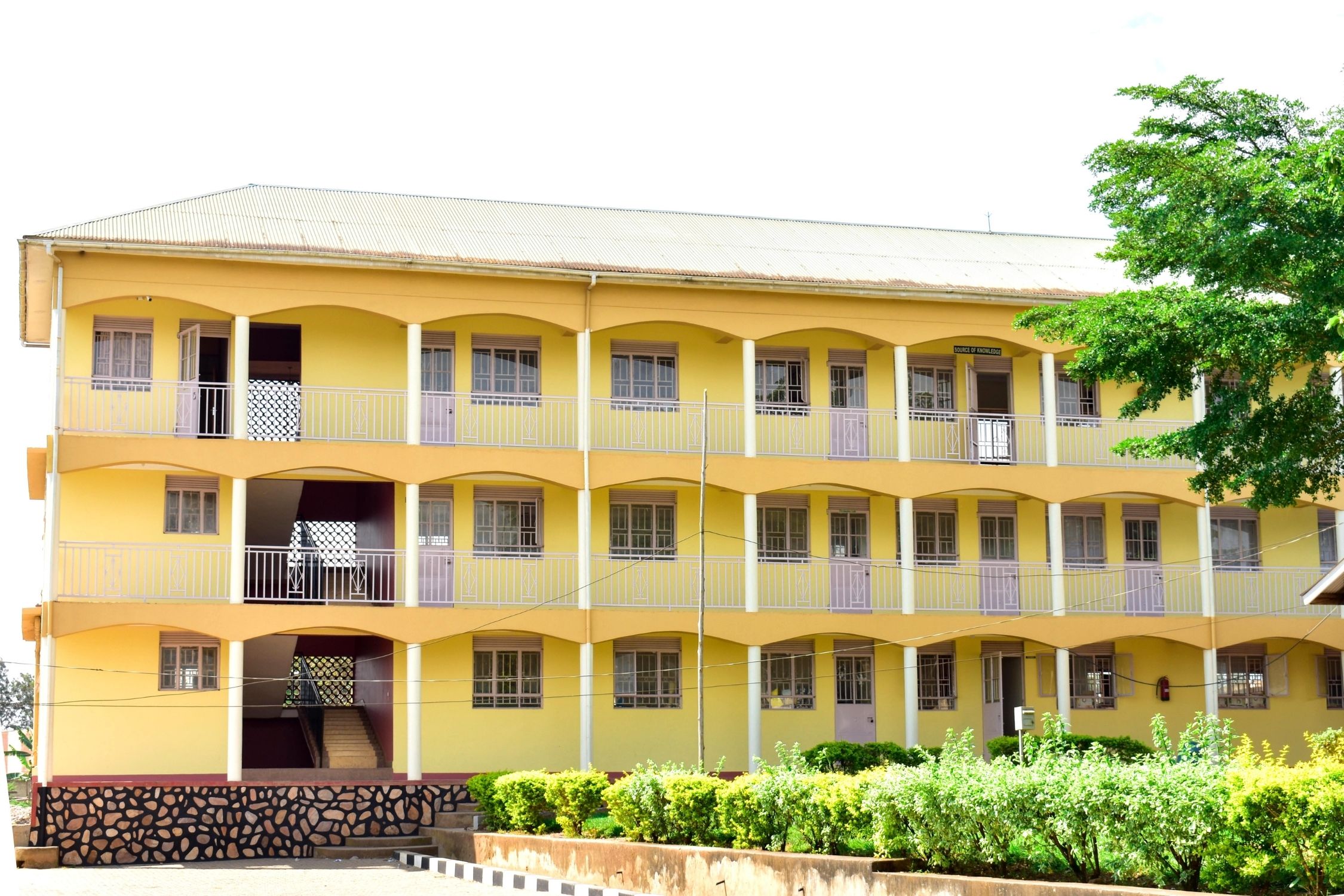
Campus flat building at Bilal Islamic Institute in Kakiri
A place for faith and learningBilal Islamic Institute · Kakiri
Idaad & ThanawiOur theology programmes
O-Level & A-LevelOur secular academic programmes
200+ each yearThanawi graduates · institute-provided figure
Our story

A tradition of learning.
A home in Kakiri.

Bilal’s story began with theology and the preparation of Muslim leaders, teachers and clerics. Secular education was later introduced to broaden learners’ knowledge and practical skills.

In 1990, Al Hajji Sulaiman Mutumba gifted Bilal Islamic Institute land in Kakiri. The institute began building its new campus on this land, creating a permanent home where religious and secular education could grow together.

In 1995, the institute shifted to Kakiri. Today, the campus continues this mission through its classrooms, mosque, library, computer learning and student community.

  1. 1964

    The early foundation

    The Bilal history dates the school’s establishment in Bwaise to 1964, under Sheikh Abdul Razaq Matovu, with land support from Hajji Musa Kasule.

  2. 1974

    The secondary section develops

    The same study records its move to William Street, Kampala, under Sheikh Siraj al-Rahman al-Nadawi.

  3. 1986

    A broader education

    The supplied institute history notes record the introduction of secular studies at Idaad level in 1986, with sciences added later in response to demand.

  4. 1990

    Land gifted in Kakiri

    Al Hajji Sulaiman Mutumba gifted land in Kakiri to Bilal Islamic Institute, and construction of the new campus began.

  5. 1995

    The institute moves to Kakiri

    Bilal shifted to its Kakiri home, where theology and secular education continue together today.

The heart of our identity

Theology at Bilal.
Idaad to Thanawi.

Our theology section follows a school-designed curriculum with internally set examinations. The supplied curriculum outline describes two successive stages, each organised into three levels.

Stage 01 · Theology

Idaad

Idaad is the first stage of the institute’s theology sequence. It provides a structured foundation for continued religious study, with classroom learning, regular assessment and the study habits needed for progression.

  1. 01First Idaad · Awal Idaad
  2. 02Second Idaad · Thani Idaad
  3. 03Third Idaad · Thalith Idaad

The next stage in the sequence is Thanawi. Families should contact the Theology Department about placement and current entry requirements.

Ask D.O.S Theology about Idaad ↗

Idaad and Thanawi are the institute’s theology stages. They are distinct from the national O-Level and A-Level pathways. The Theology Department can confirm the current syllabus, assessment and admission arrangements.

Bilal Islamic Institute Thanawi graduation in 2025
A milestone in learning
200+

Thanawi graduates every year.

Graduation celebrates the completion of a demanding stage of religious study and the shared efforts of students, families and teachers. The 2025 Thanawi graduation photographs capture this important part of Bilal’s community life.

Explore our photo gallery ↗Annual graduate figure supplied by the institute. Photograph: Thanawi graduation, 2025.
Knowledge for a wider world

Our secular academic pathways.

The institute’s curriculum notes describe a secular section following Uganda’s national curriculum, with O-Level and A-Level studies alongside Bilal’s Islamic learning environment.

O-Level S.3 and S.4 boys in class
Senior 1–4

O-Level

Students build their academic foundation through classwork, revision, assignments and examinations. The institute’s development has included both arts and science subjects, while daily school life reinforces discipline and responsibility.

Ask D.O.S Secular about O-Level ↗
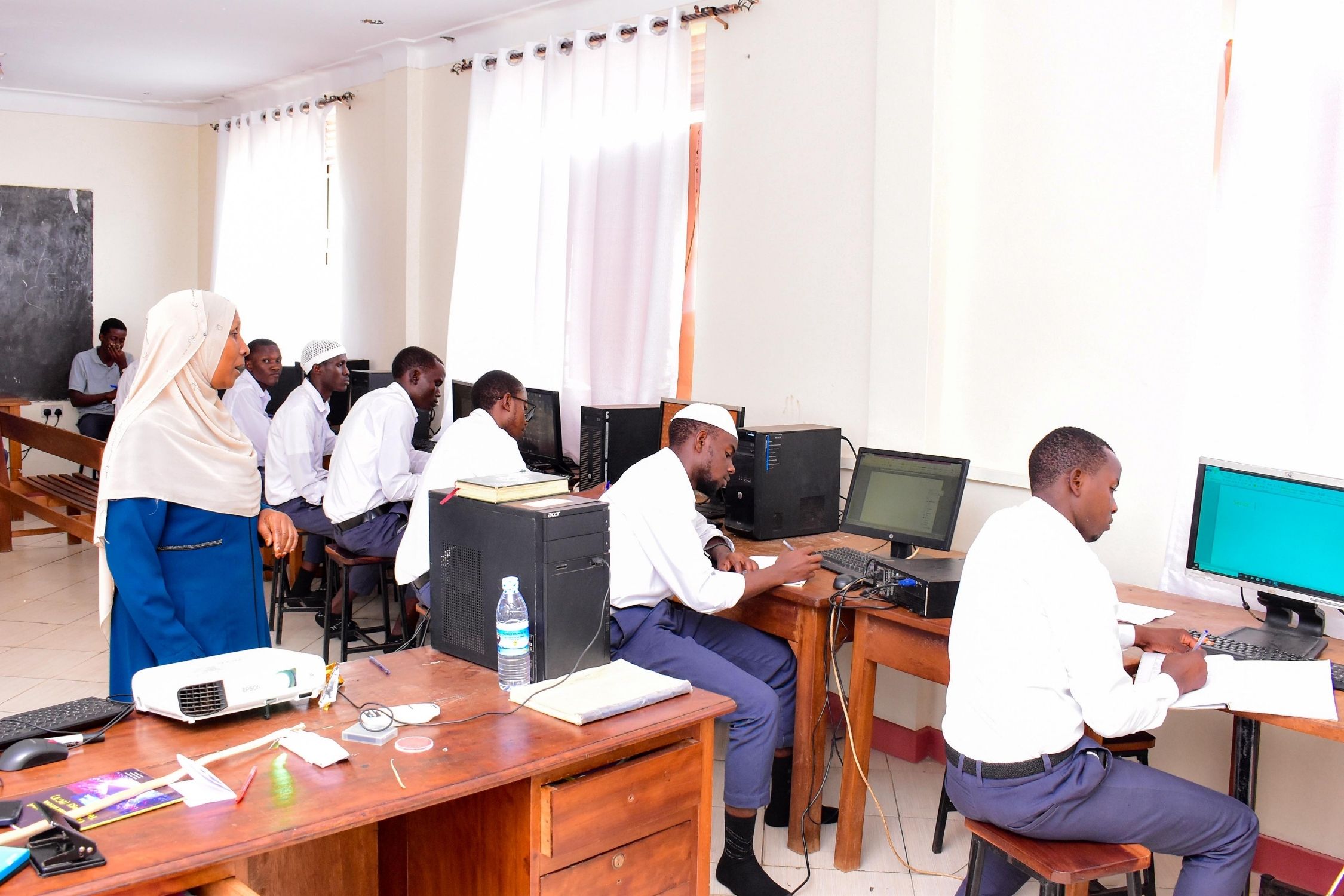
A-Level students in the computer lab
Senior 5–6

A-Level

Our A-Level pathway continues national-curriculum study at the advanced secondary stage. Students develop greater independence in their academic work, supported by access to study spaces and computer learning.

Ask D.O.S Secular about A-Level ↗
Beyond the lesson

A community that learns together.

The supplied documents describe a school culture built on worship, purposeful study, participation and care for shared spaces.

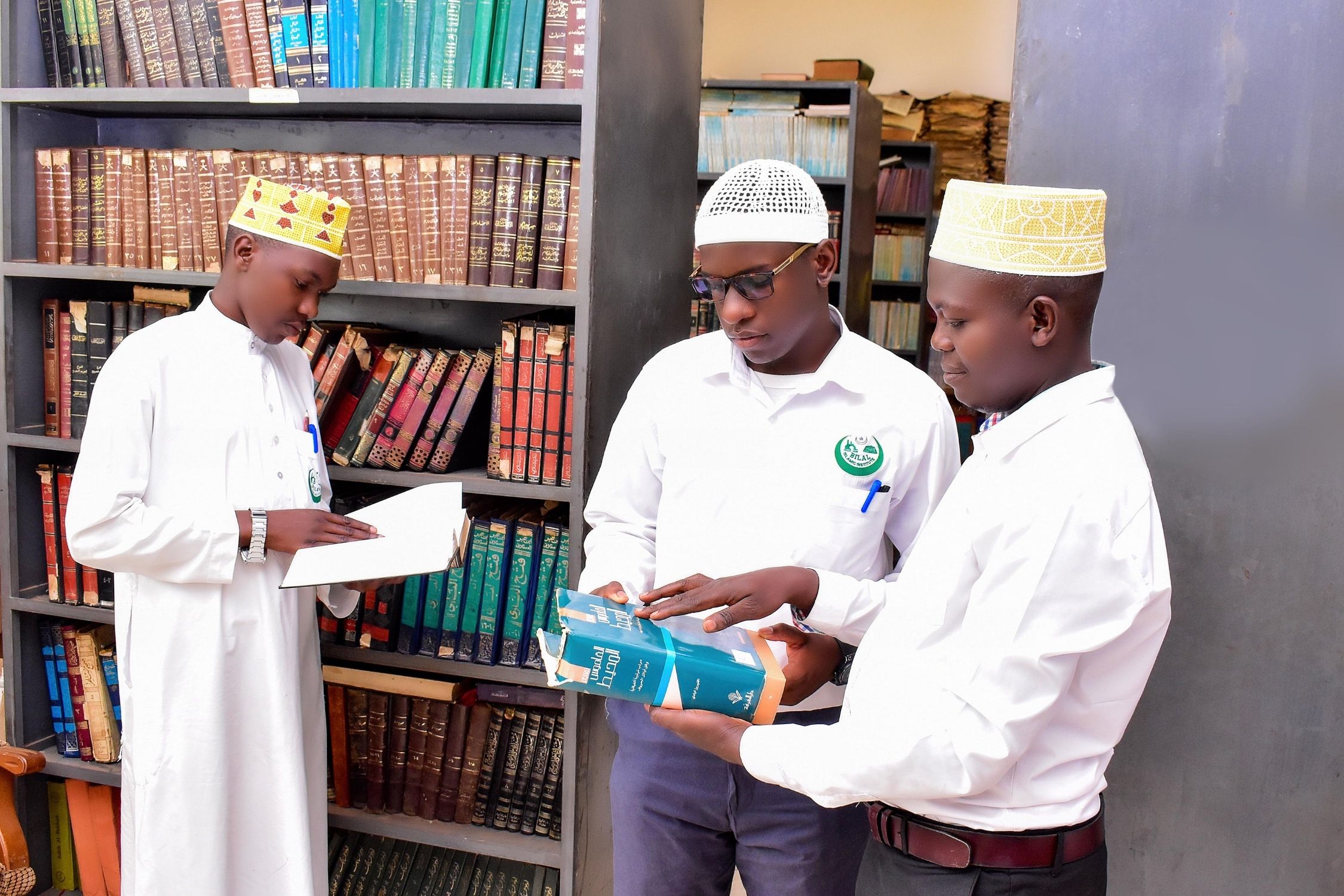
Students reading in the Bilal library

Library & independent study

The library notes describe a reading room and a book bank, with collections for theology and secular studies. Islamic and Arabic references sit alongside science and arts texts, journals and other reading materials.

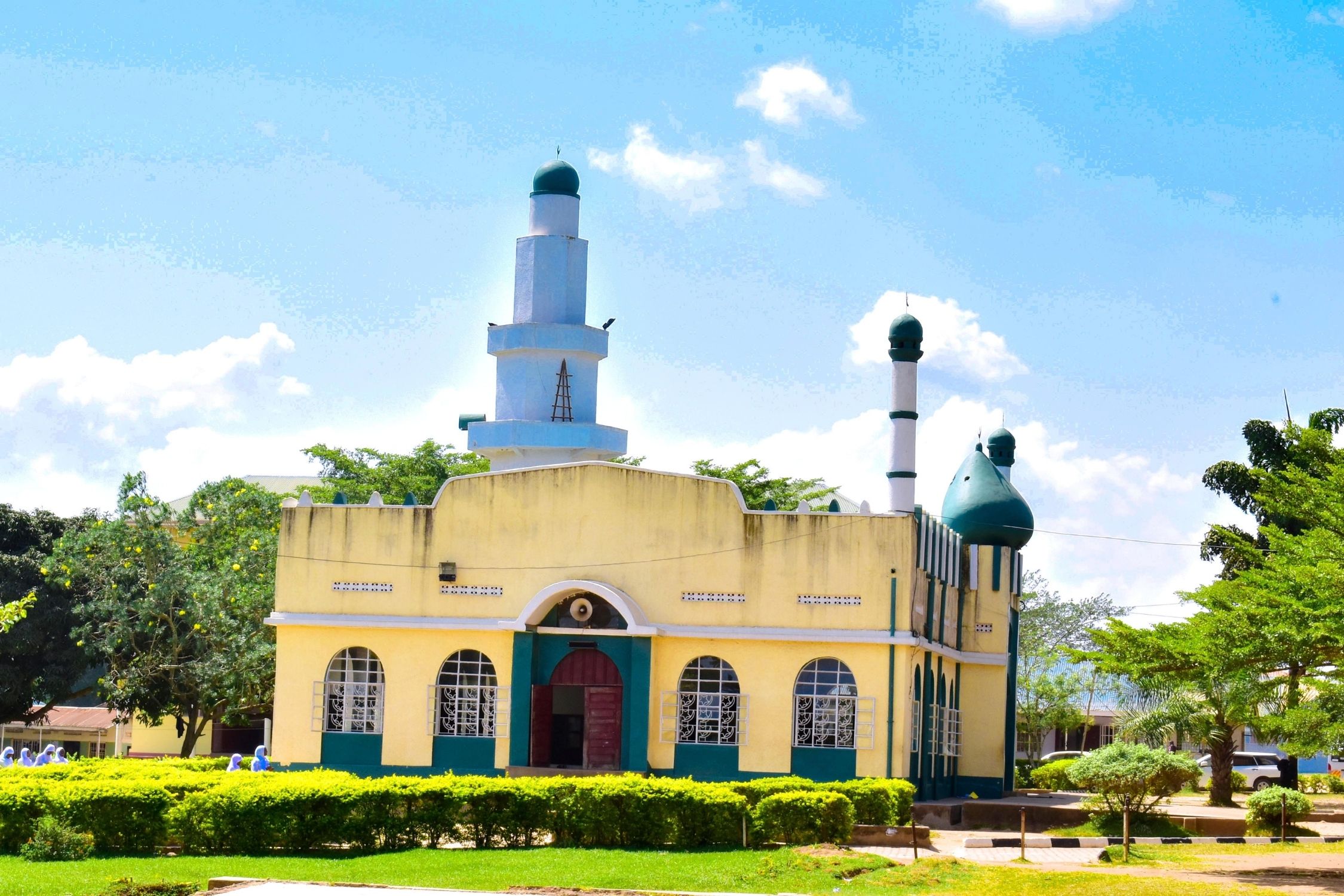
The campus mosque at Bilal Islamic Institute

Faith in daily life

The institute’s rules place congregational prayer, Islamic conduct and modest dress at the centre of school life. Respect, punctuality and responsible behaviour connect religious learning with everyday practice.

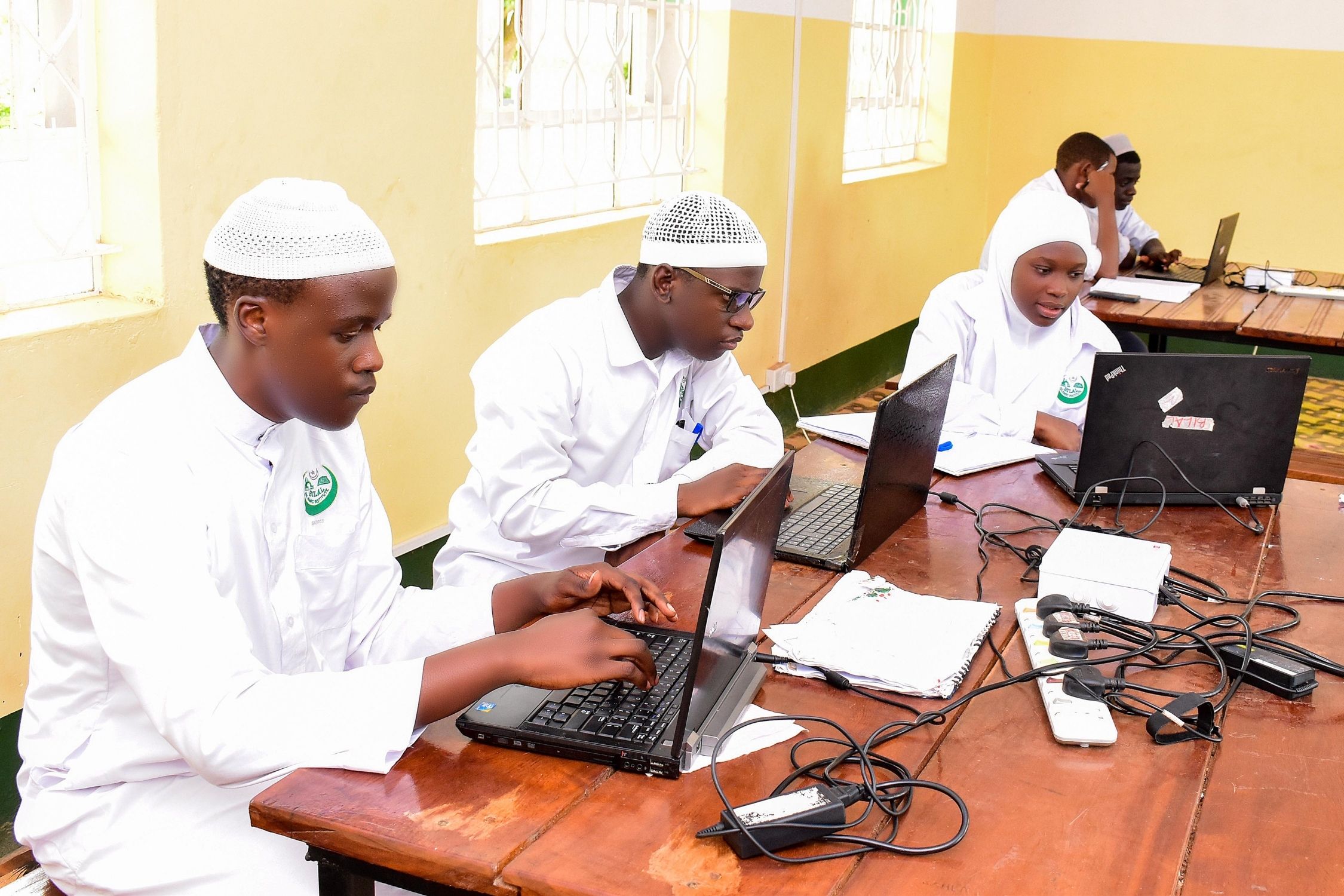
Thanawi students studying IT

IT & practical learning

Computer learning forms part of the wider student experience. Both Thanawi and A-Level students take part in IT and computer lab activities, connecting classroom learning with practical skills.

Members of the Bilal debate club

Debate & expression

The Debate Club encourages students to participate through ideas and discussion. Its contribution to school identity includes the school anthem, credited in the supplied document to the 2017–2018 Debate Club.

Bilal girls sports team

Sports & teamwork

Football, netball, volleyball and other sporting activities give students opportunities to take part beyond the classroom. The institute’s rules encourage every student to participate in sport or another school activity.

Students revising together

Responsibility & respect

Students are expected to attend lessons, care for institute property and help maintain clean surroundings. The rules prohibit bullying and harassment and emphasise respectful relationships throughout the community.

Faith in practice

Worship and Islamic conduct shape daily routines.

Honest learning

Attendance, effort and academic integrity matter.

Respect for others

Courtesy and responsible behaviour support community life.

Active participation

Study, debate and sport make room for contribution.

Our school anthem and shared identity

The supplied school anthem is credited to the Debate Club, 2017–2018. Its themes include faith, gratitude to teachers and founders, dignity, discipline and hope for the next generation. These themes express the connection between learning and belonging at Bilal.

People who guide the institute

Our administration.

Leadership across theology, secular academics, administration and student welfare supports the day-to-day work of the institute.

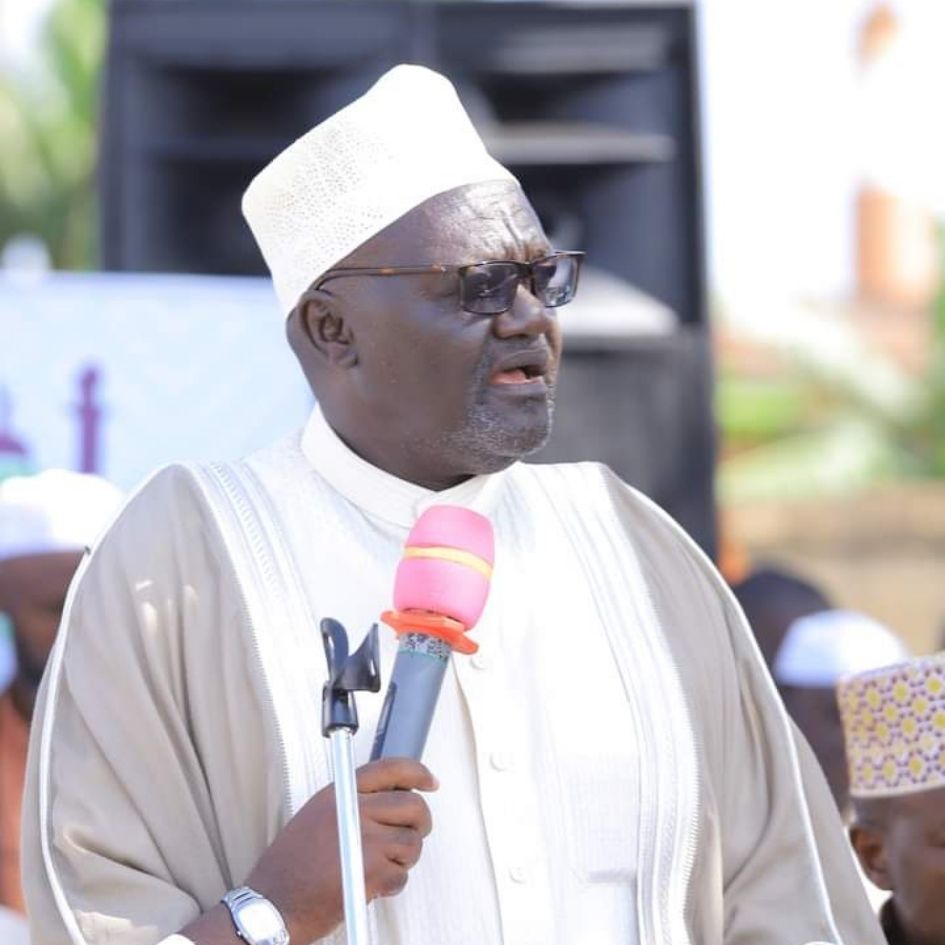
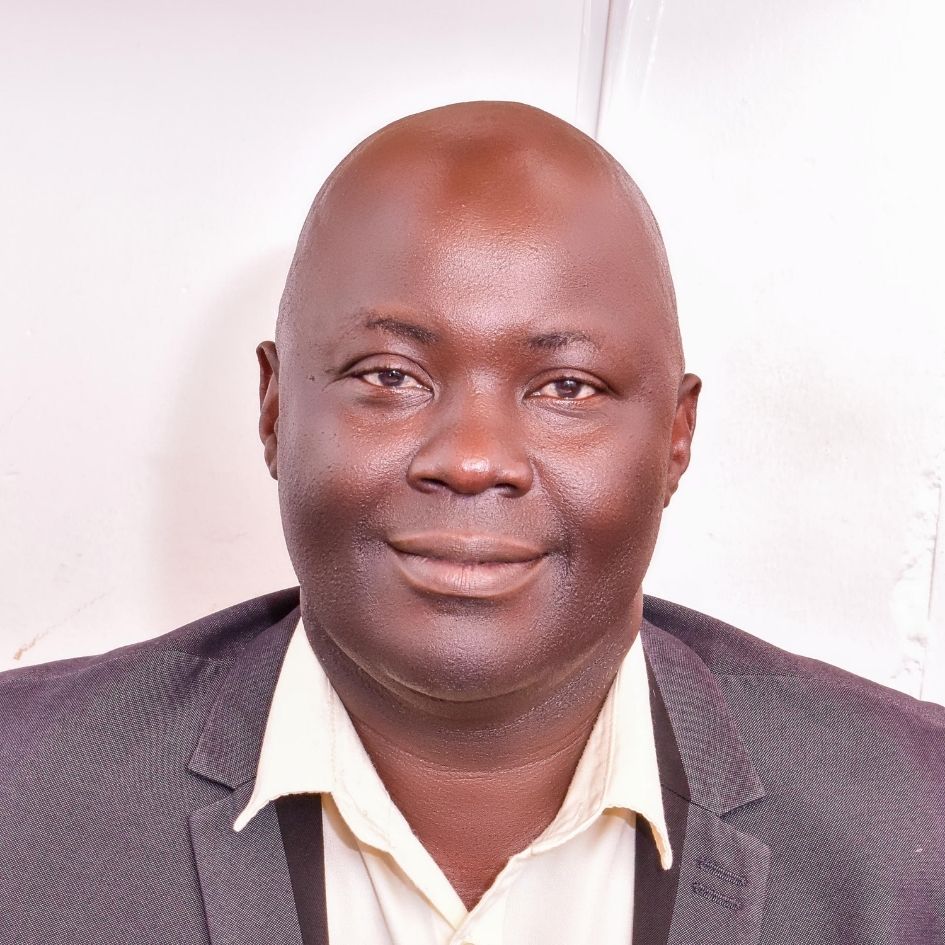
Sheikh Suphian Khalid Muguluma, Principal
Principal

Sheikh Suphian Khalid Muguluma

The Principal’s office provides overall institute leadership and is the central point for formal administrative enquiries.

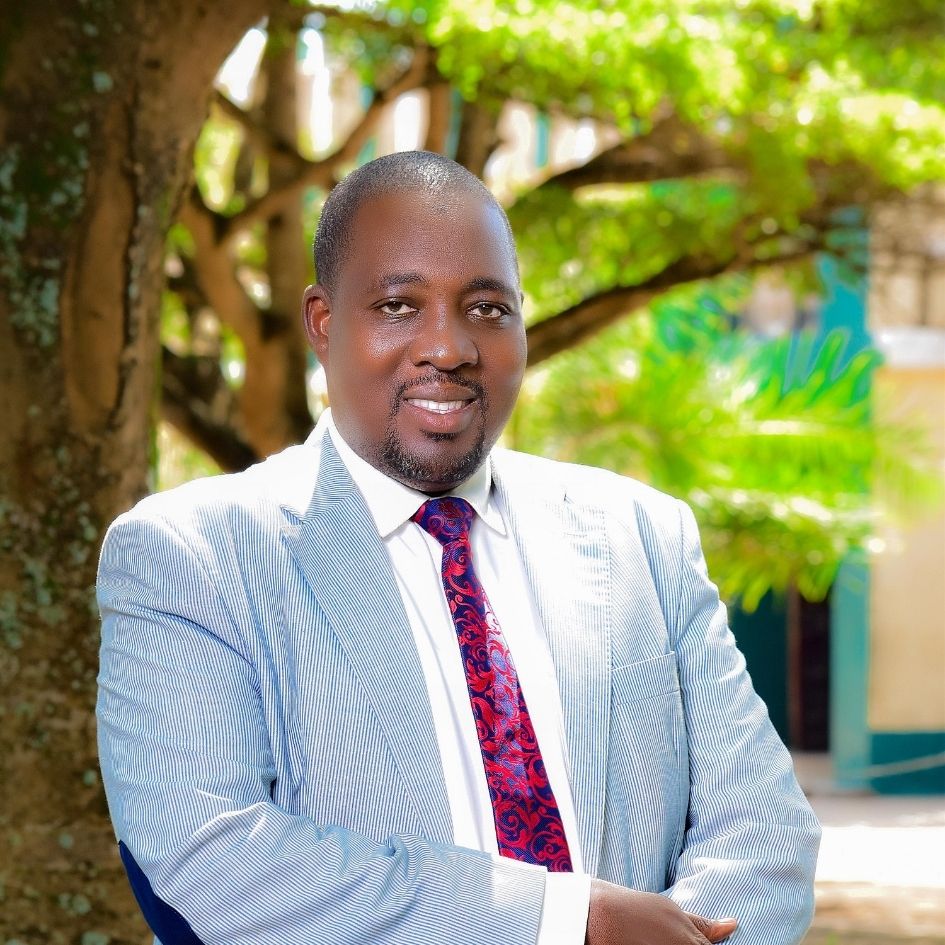
Hajji Kalunda Musa

Hajji Kalunda Musa

Deputy Principal · Administration

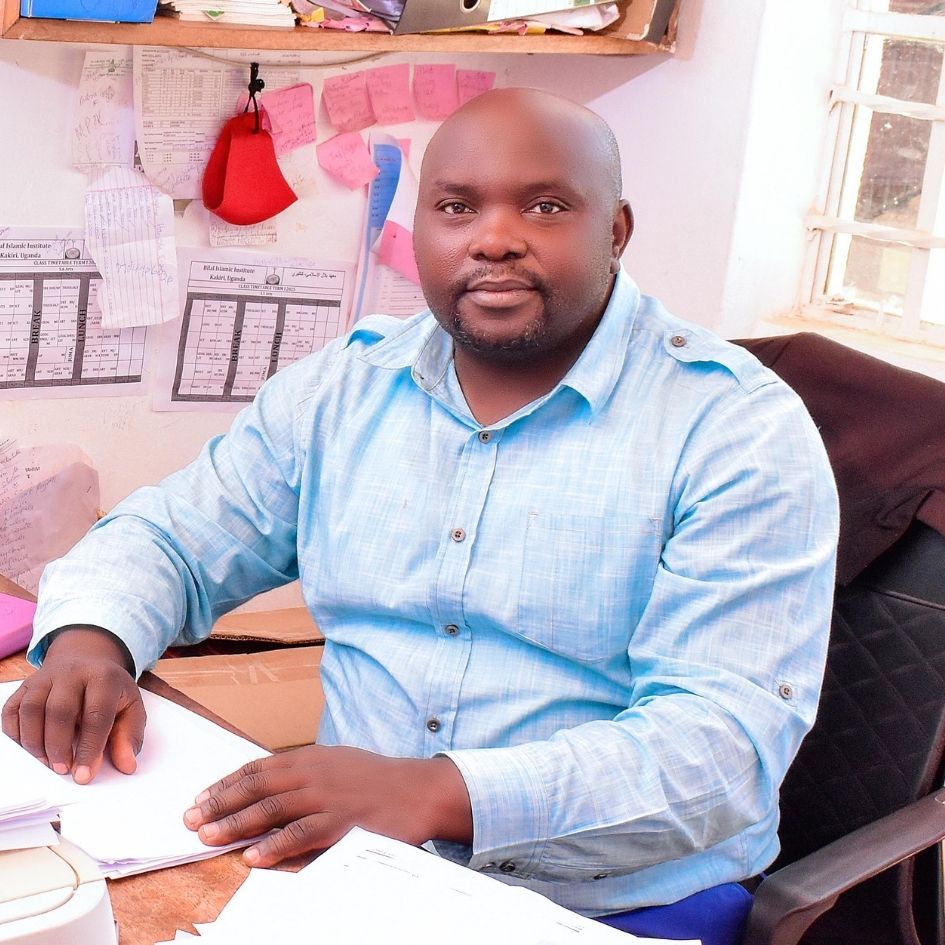
Sheikh Fahad Bagunduse

Sheikh Fahad Bagunduse

Assistant Director of Studies · Theology

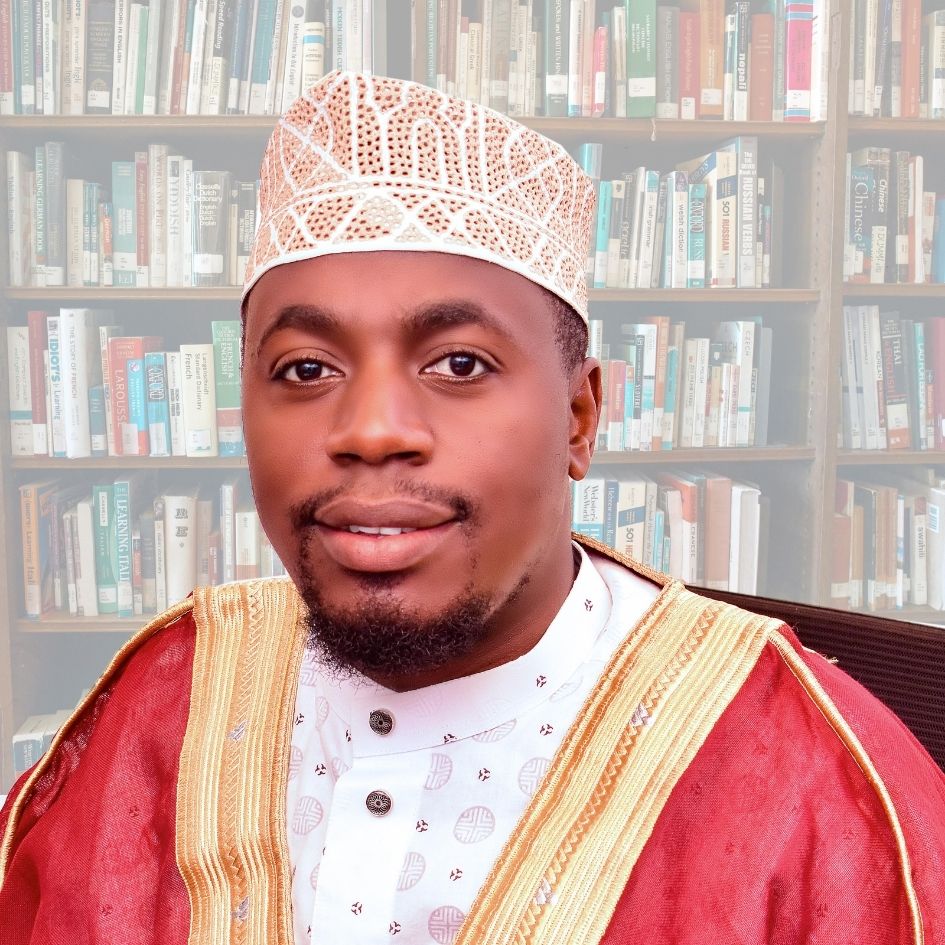
Madam Nakaddu Hajarah

Madam Nakaddu Hajarah

Assistant Director of Studies · Secular

Mr Mwanje Umar — temporary profile photograph

Mr Mwanje Umar

Dean · Upper Section Secular

Hajjat Sarah Nabatanzi

Hajjat Sarah Nabatanzi

Dean of ICT

Mr Bogere Hamza — temporary profile photograph

Mr Bogere Hamza

Games & Sports Master

Mr Zaake

Mr Zaake Musa

Assistant Warden

Additional student welfare offices
  • Matron
  • Assistant Matron
  • Assistant Matron II

For the current officeholder and the right point of contact, please speak to Administration.

Contact Administration ↗
Start the right conversation

Contact the right office directly.

Use the verified direct numbers below. Admissions and alumni enquiries use the institute email until their official department numbers are confirmed.

Your next step

Discover your place
at Bilal.

Speak with the appropriate office about theology, secular programmes, admission requirements or a visit to the Kakiri campus.

Visit
Kakiri, 26 km along Hoima Road from Kampala, Uganda
Administration · Mr Kalunda
+256 772 653 790
Office hours
8:00 am–6:00 pm · Contact the office to arrange a visit.

Copy the department link

Automatic copying is unavailable. Select and copy the link below.

Scroll to Top